STEM Kids Curriculum Details

STEM Curious Kids is an 11 day online, integrated STEM program. This is the foundational step in the four-staged STEM Brilliance Program. In the power-packed, hands-on sessions, children works with STEM Ninjas to conceptually understand the building blocks of physics, space, coding, technology and collaborate on STEM projects. This stage prepares them for the advanced and higher stages of the STEM Brilliance Program.


11 Days

Core Focus of Session

Scientific Enquiry
Coding
Robotics
iconDAY 1
How?

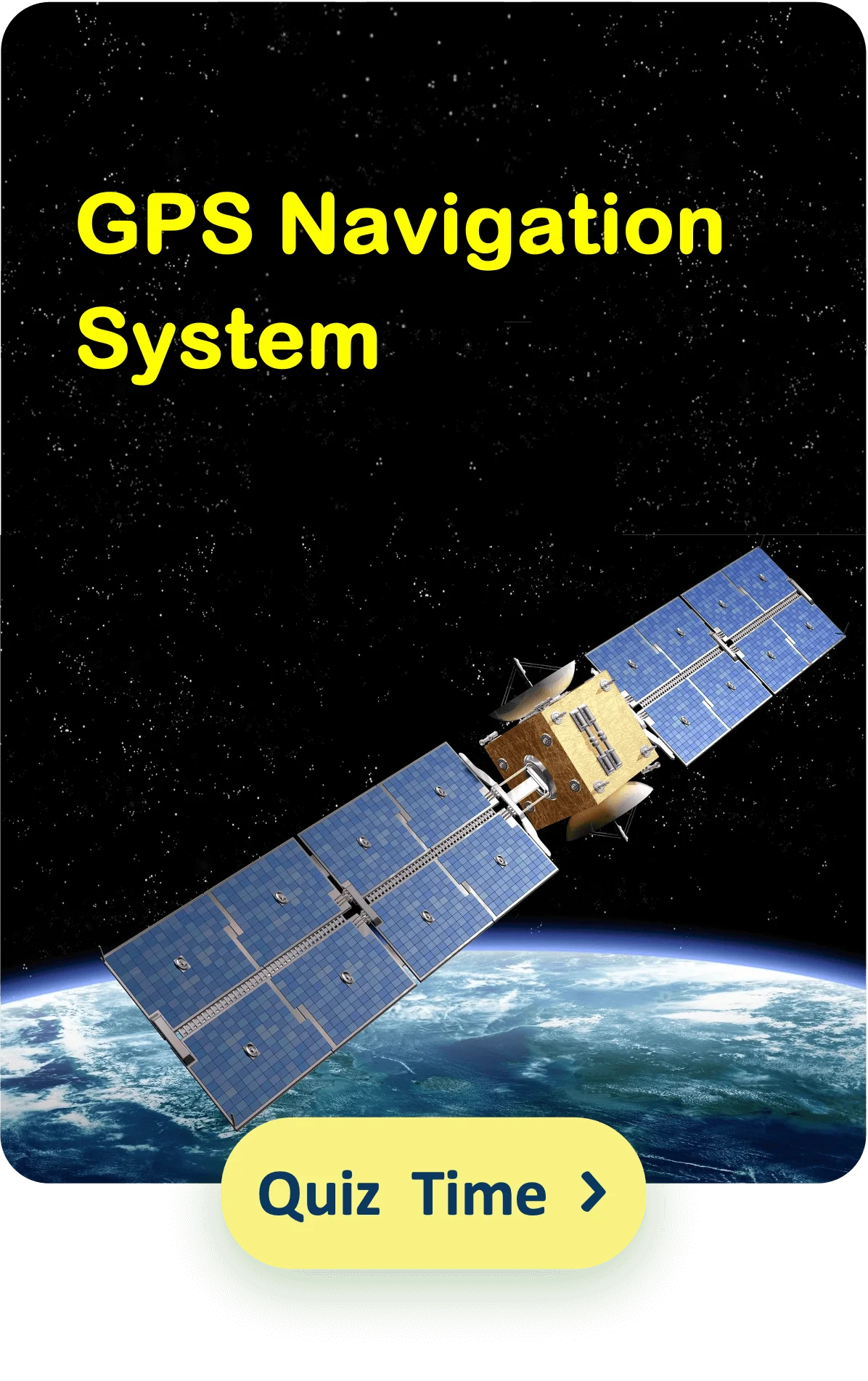
How does our GPS system works ? How can you improve it further !

CONCEPTS IN FOCUS

● Satellite Systems   
● Radio Signals   ● Geometry

DETAILS

GPS is a satellite-based navigation system that provides location and time information globally. These satellites beam signals to devices on the ground, helping pinpoint exact locations.
  • Studying GPS systems benefits kids by enhancing their technological understanding, improving navigation skills, and fostering awareness of satellite technology.
  • It prepares them for a tech-driven world, promotes problem-solving abilities.
  • It offers practical knowledge for various applications, from maps to location-based services. Overall, learning about GPS equips kids with valuable skills for the future.
iconDAY 2
Code!

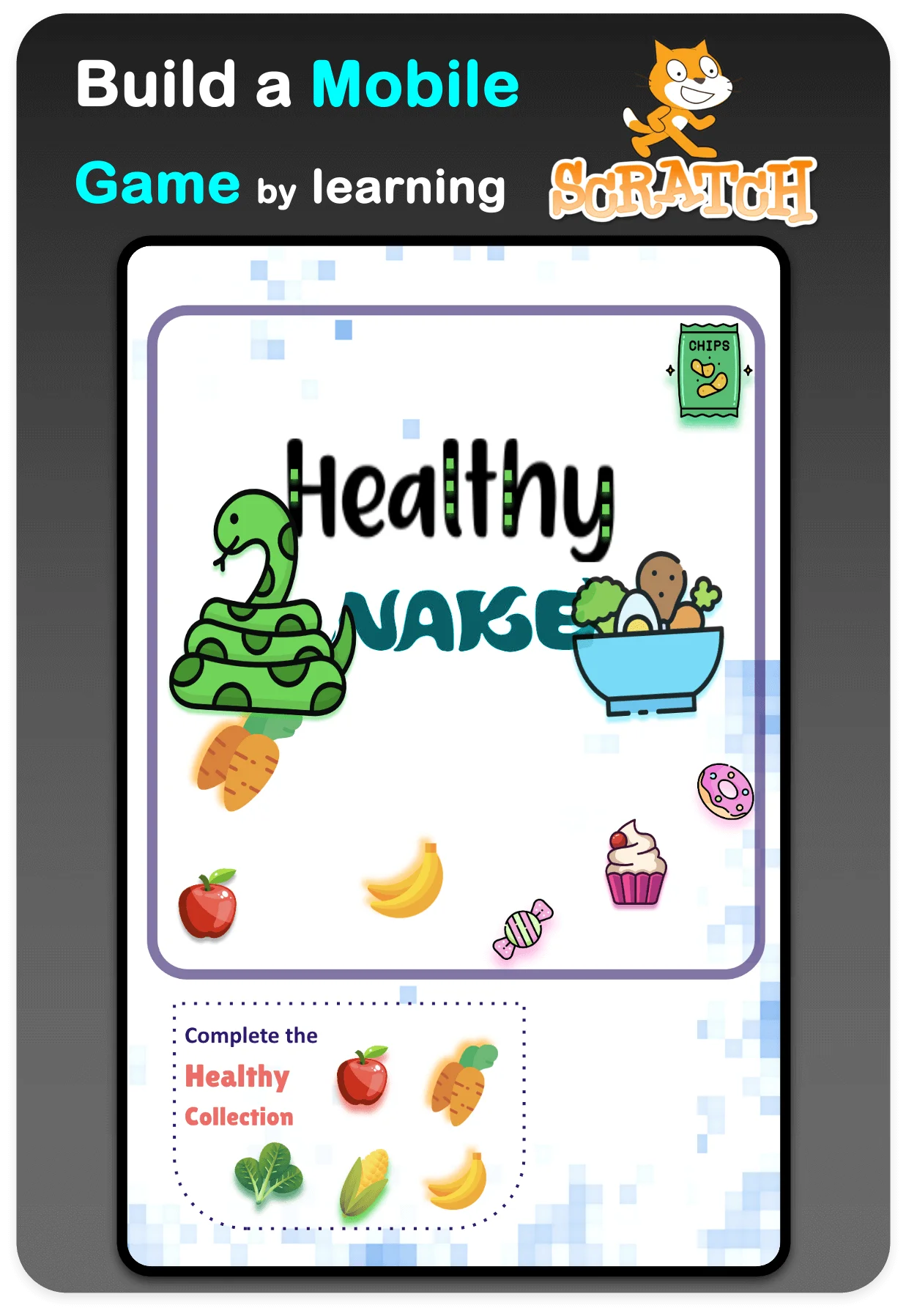
Let's build a Healthy Snake Game! Steer the snake to collect a mix of healthy food, while avoiding unhealthy items.

CONCEPTS IN FOCUS

● Designing Sprite's Costumes  and Animation  ● Scoring Logic ● Algorithm for Win, Lose

DETAILS

Scratch is a visual programming language for kids, allowing them to create interactive stories, games, and animations. It's designed to make coding accessible and fun.
  • Fun Coding Playground, where kids can create their own games, stories, and animations.
  • Visual Building Blocks to build the code, by snapping together code blocks in a user-friendly interface.
  • Scratch is designed to be easy for kids. You learn to code by doing, experimenting, and having fun.
iconDAY 3
Space

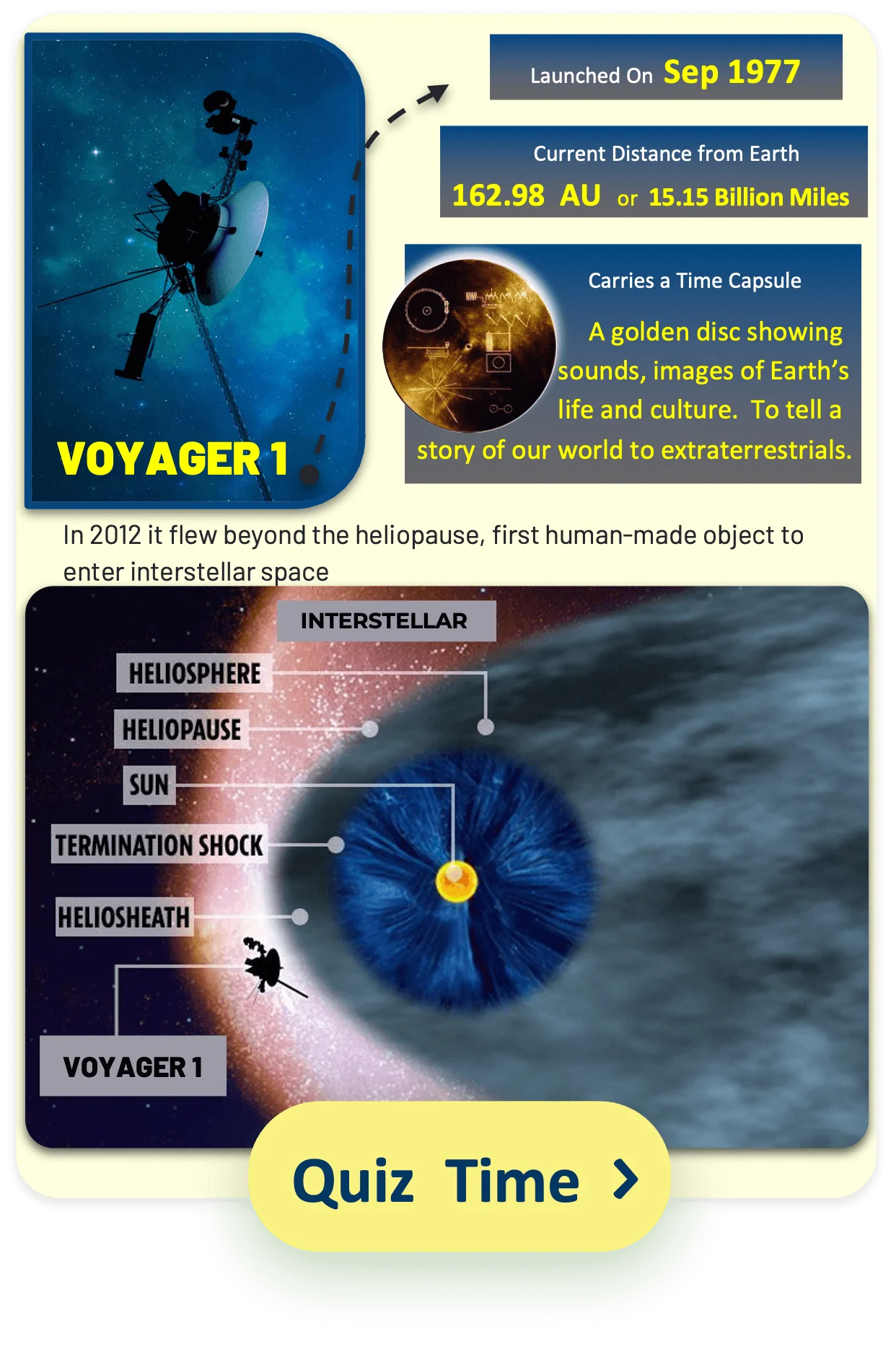
Space is full of mysteries! Which missions/probes are set in deep space -> beyond our solar system ?

CONCEPTS IN FOCUS

● NASA's Deep Space Network
● Communication Logic from   Deep Space   ● Voyager 1

DETAILS

Talking about space adventures, launching satellites, and even failed missions like Challenger shuttle can make kids curious and tough, encouraging them to keep exploring and learning.
  • When was 1st ever satellite, Sputnik 1, launched to space.
  • Who invented GPS- maps used by Google Maps
  • How organizations like Nasa, Isro have failed and succeceded in their space missions so far.
  • How humanity successfully landed 1st man on the surface of moon- Mission Apollo 11.
  • How ISRO finally successfully landed on Lunar's south pole- Chandrayaan 3.
iconDAY 4
How?

How X-Ray waves capture the images of bones ? What imaging systems are used for different injuries ?

CONCEPTS IN FOCUS

● Bone Composition
● Light Spectrum

DETAILS

X-rays are a form of electromagnetic radiation with high energy. When X-rays pass through the body, they are absorbed in varying amounts by different tissues.
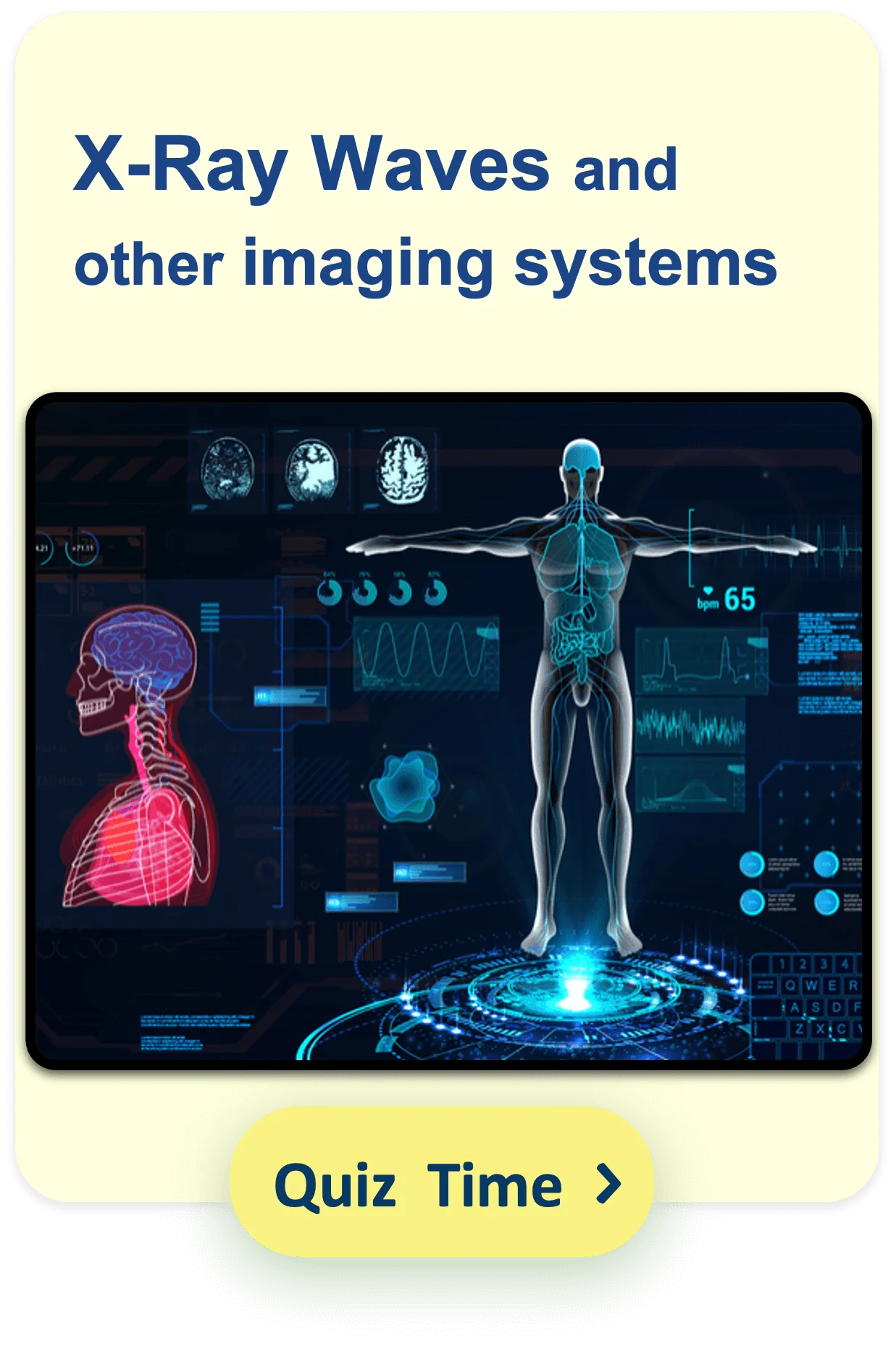
  • X-ray sensors use special light detectors to catch the light created when X-rays hit something.
  • Rays strike a scintillator sensor, causing it to emit light. The intensity of this light corresponds to the X-ray radiation absorbed.
  • The emitted light is converted into electrical signals by the photodetector sensor, producing a measurable output.
iconDAY 5
Why ?

Why do stars appear twinkling ? Can you build something that can amplify or dull the shine ?

CONCEPTS IN FOCUS

● Star Clusters
● Stellar Magnitude
● Atmospheric Turbulence

DETAILS

Learning why stars twinkle shows kids the magic of the night sky and teaches simple science. This lays foundation more advanced concepts in astronomy and physics, making them lifelong science enthusiasts.
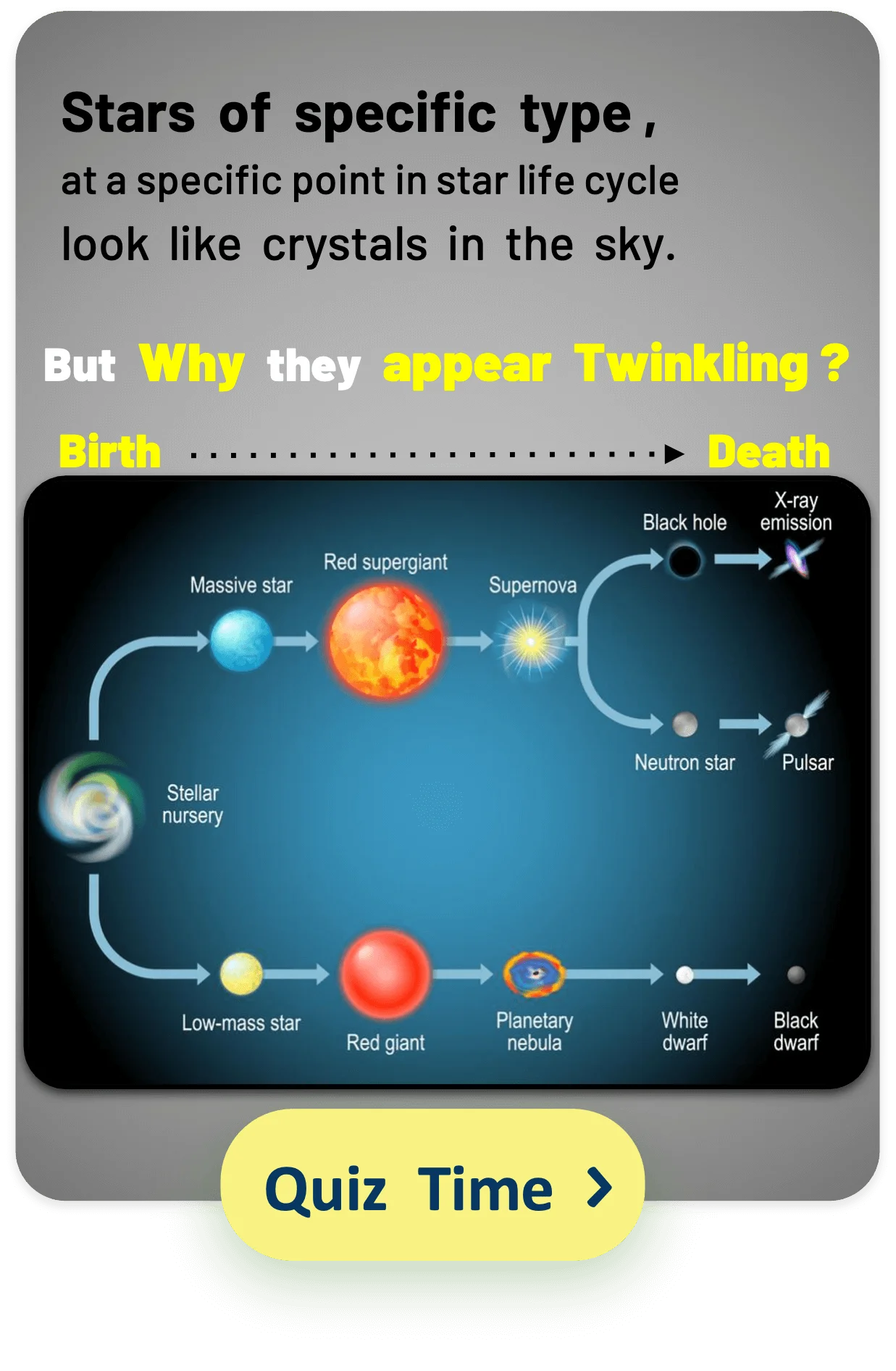
  • Learning about why stars twinkle ignites children's curiosity, prompting questions about the night sky.
  • It serves as an early introduction to astronomy, laying the foundation for more advanced celestial concepts.
  • This knowledge serves as a stepping stone for more advanced topics in astronomy and related sciences as children progress in their education.
iconDAY 6
Robot

Let's build a custom robot arm and understand the mechanics behind an industrial robotic arm.

CONCEPTS IN FOCUS

● Robot Designing
● Laws Of Robotics
● Application of Industrial Arm

DETAILS

A robotic arm is like a mechanical helper that can do tasks by moving like our arms. It's used in places like factories and space to do jobs precisely and quickly.
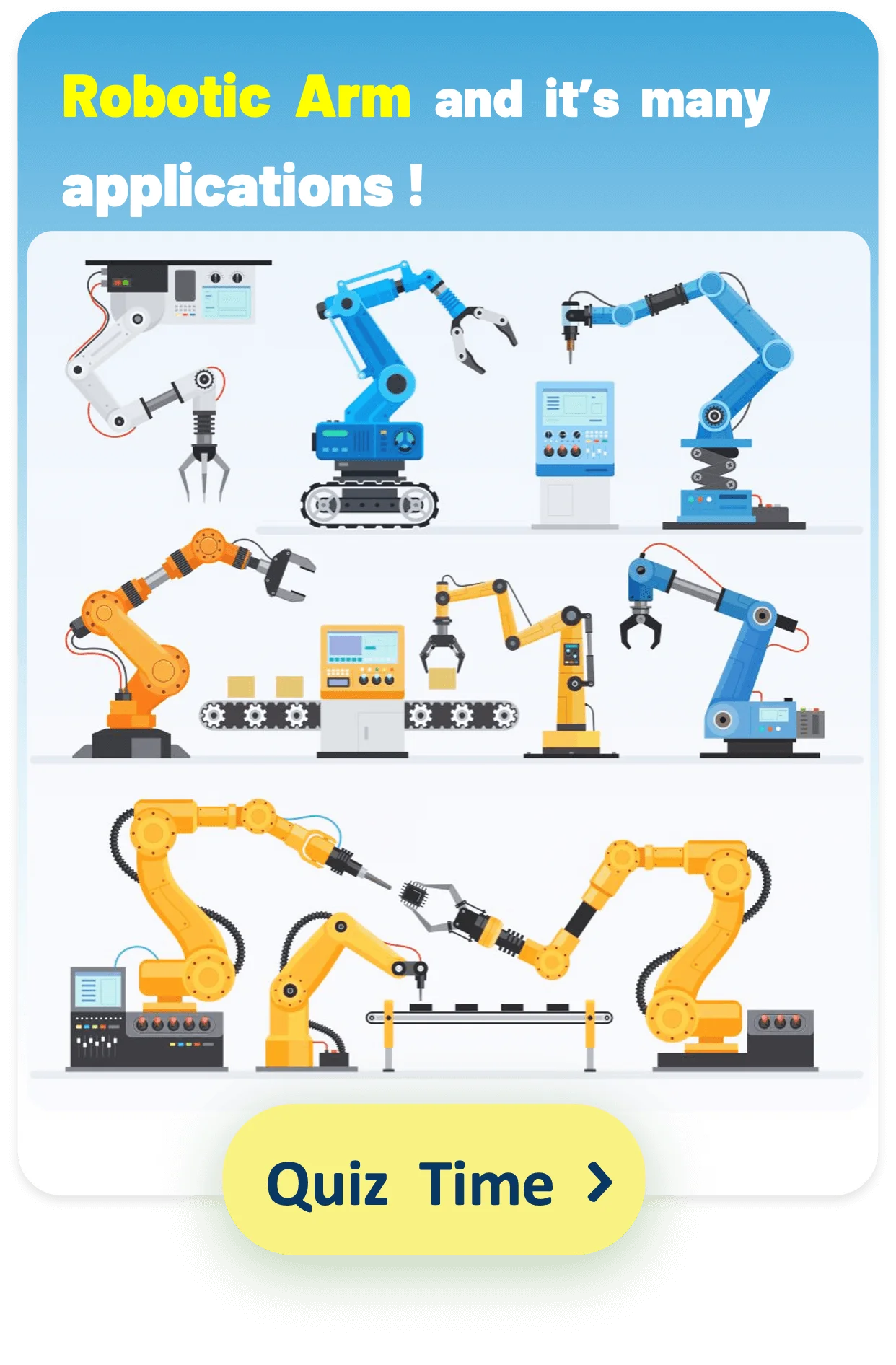
  • Understanding robotic arms helps boosts problem-solving skills, and prepares them for the tech-driven future.
  • A robotic arm involves motors or actuators for movement, sensors for feedback, and a controller to manage actions..
  • These parts work together, allowing the robotic arm to perform specific tasks with precision.
iconDAY 7
Code!

Lets Code a Balloon Pop Game with many missions. Mission 1: Pop the Balloon which has multiples of 4's

CONCEPTS IN FOCUS

● Sprite   ● Scoring Algorithm
● Scripting Blocks
● Gravity Simulation

DETAILS

Building a game in Scratch benefits kids by teaching coding basics, boosting creativity through design, and enhancing problem-solving skills.
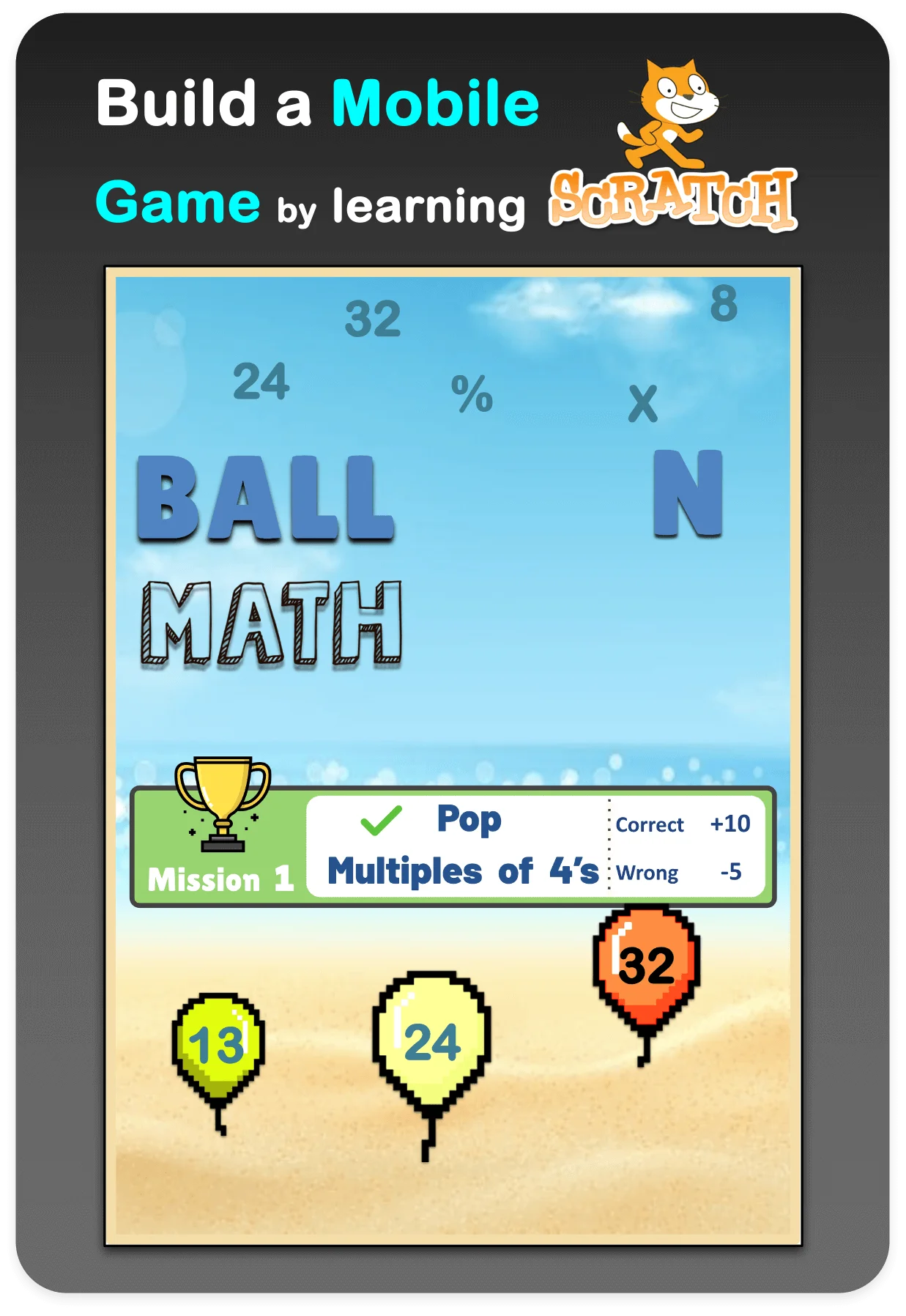

  • Understanding how to trigger actions based on events, like popping balloons or reaching the end of the game.
  • Implementing conditions & Loops helping kids understand logical conditions and choices.
  • Kids learn to arrange and make things interactive, like buttons and pictures, helping them understand how to create user-friendly designs.
iconDAY 8
Space

Let's investigate why astronauts have to put space suits in outer space?

CONCEPTS IN FOCUS

● About Gravity
● Gravity in different Planets
● Atmospheric Pressure

DETAILS

Space lacks air, and humans need air to breathe. The space suit provides a controlled environment with oxygen, removes carbon dioxide, and regulates temperature.
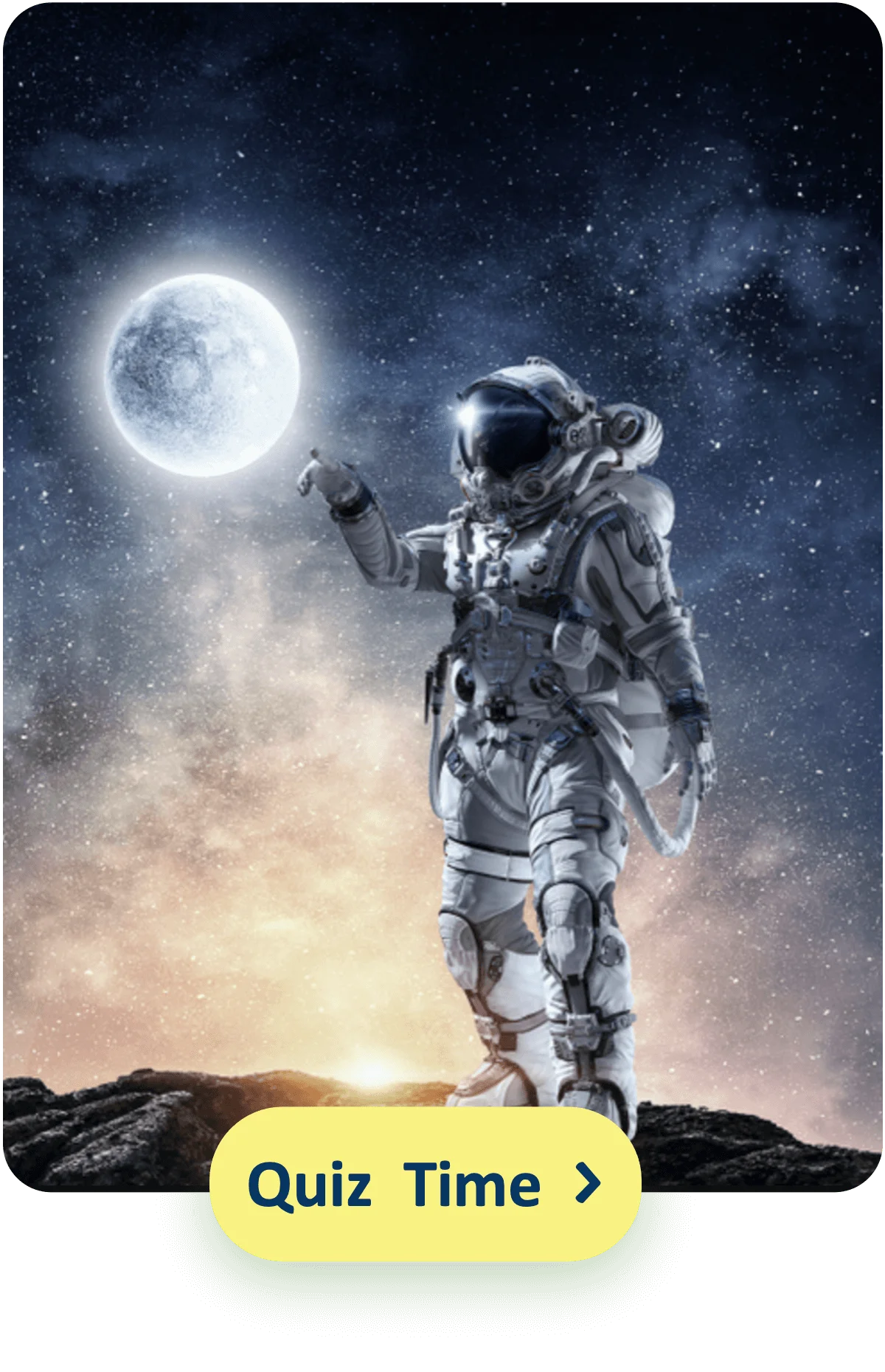
  • Space suits provide astronauts with air to breathe since there is no air in space.
  • Space suits keep astronauts warm or cool because space can be very hot or very cold.
  • Astronauts cannot survive without a space suit as there is no air to breathe in outer space.
  • Space suits protect astronauts from harmful things in space, like strong sun rays and extreme temperatures.
iconDAY 9
Robot

How do drones fly ? What improvements are still happening in the drone design?

CONCEPTS IN FOCUS

● UAVs
● Drone Structure
● Propulsion and Lift

DETAILS

Drones work by using propellers for flying, a controller for direction, and sensors to avoid obstacles. These flying robots can take pictures, explore, or do tasks from a distance. Pitch controls the up and down movement, yaw turns the drone left or right, and roll tilts it sideways. These movements collectively enable precise navigation and stable flight.
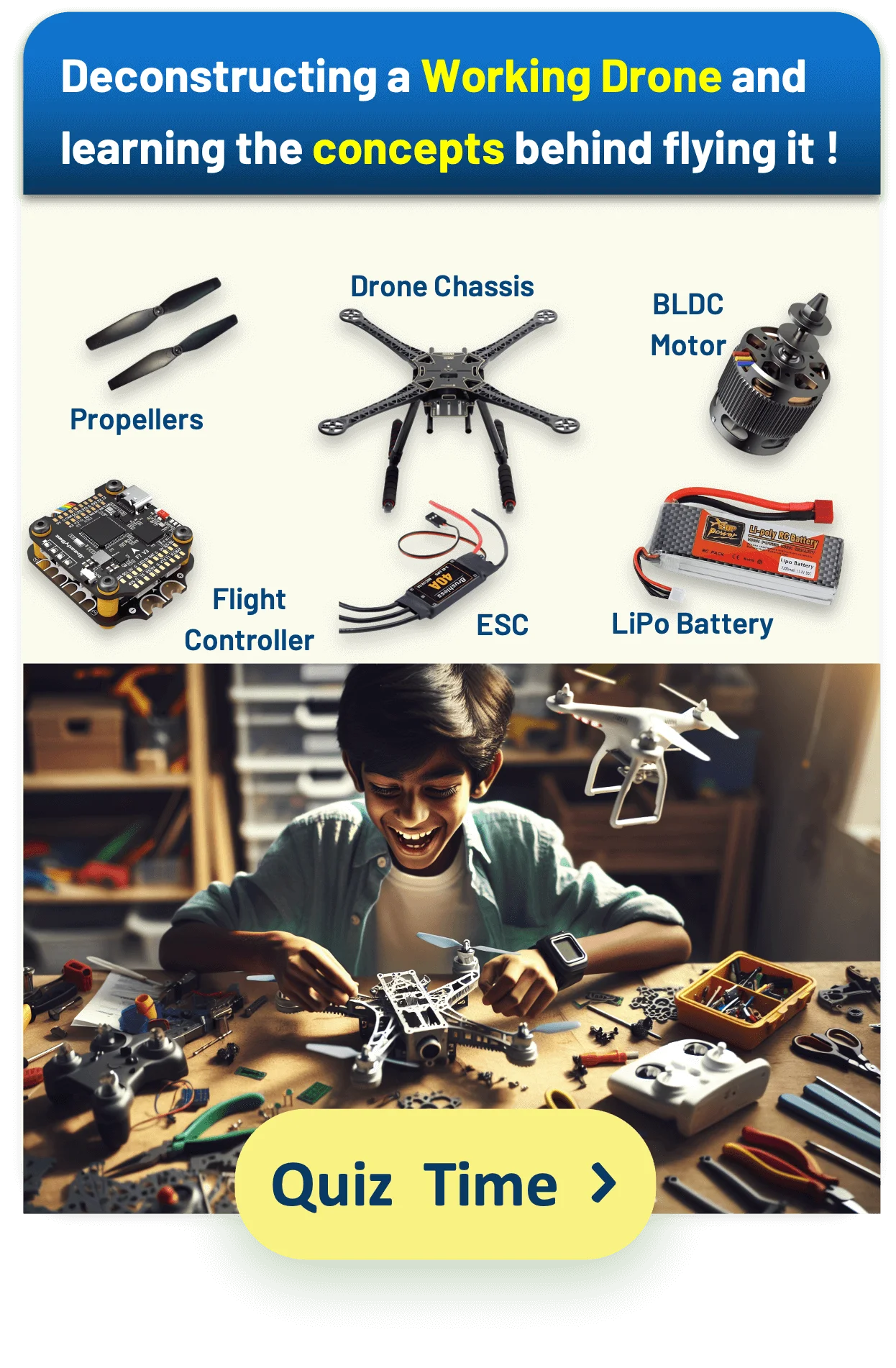
  • Studying drones helps kids by fostering technological curiosity and understanding principles in robotics, aerodynamics, and programming.
  • It cultivates skills in problem-solving, drone technology and automation.
iconDAY 10
Why?

Why slime behaves like solid when given a sudden pressure? Science behind Slime !

CONCEPTS IN FOCUS

● Polymer Chains
● Viscoelasticity
● Fluid Dynamics

DETAILS

The hardening of slime under sudden pressure is influenced by the concepts of polymer alignment, cross-linking, and the intermolecular forces. Polymer chains align tightly, restricting their movement.
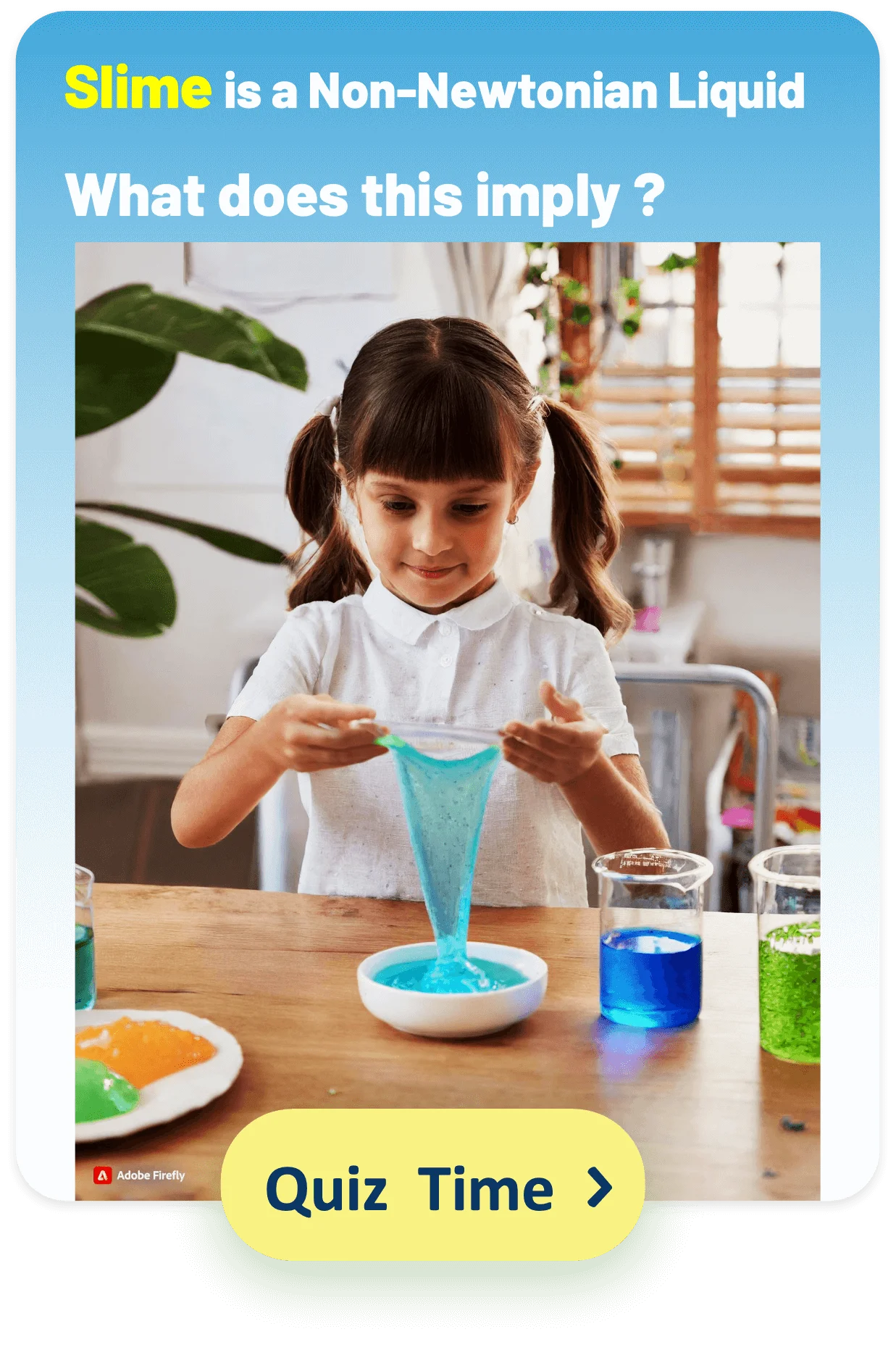
  • Slime's squishy texture comes from long molecular chains doing a "dance," allowing it to stretch and mold.
  • Adding ingredients like borax or contact lens solution makes slime transform, creating a more structured and playful substance for experimenting and playing.
  • Slime can come in a variety of colors and glows in the dark, thanks to the addition of pigments and special additives.
iconDAY 11
How?

How do secret agencies send secure messages ? Decode the Code using MS Excel

CONCEPTS IN FOCUS

● Encryption Methods
● Spy Decryption Techniques
● Ciphers and Morse Code

DETAILS

Engaging in spy codes benefits kids by promoting critical thinking and problem-solving skills, stimulating cognitive development. and also enhance language and mathematical understanding
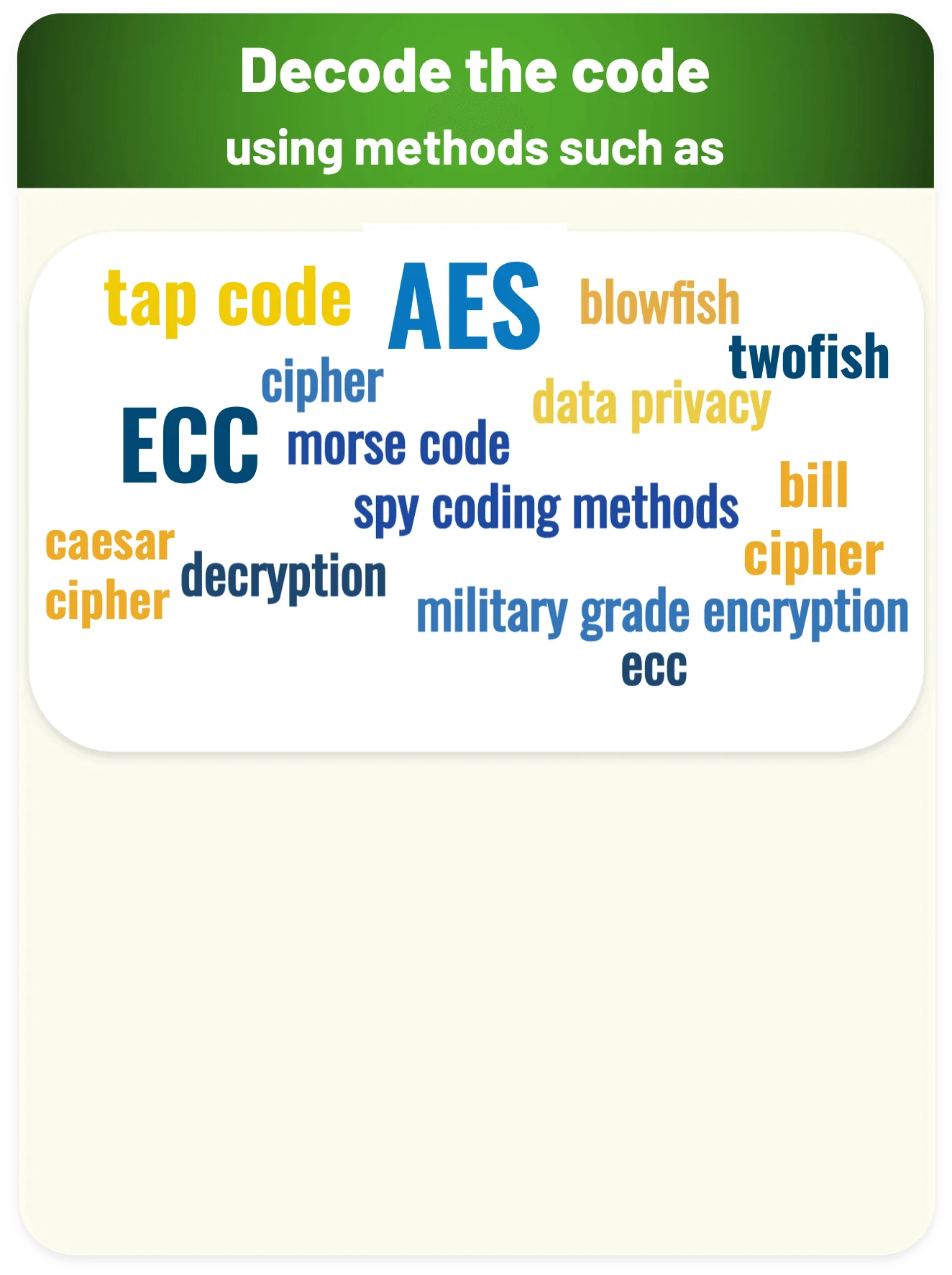
  • Morse Code: Use dots (.) and dashes (-) to represent letters. Like- A is ".-", B is "-...", C is "-.-.", and so on. Kids can create and decode messages using Morse Code.
  • Number Cipher: Assign each letter of the alphabet a corresponding number (e.g., A=1, B=2, C=3). Kids can encode messages using the numerical values of each letter.
Product Kit

What are This Kit will have supplies to conduct experiment for each day .

DETAILS