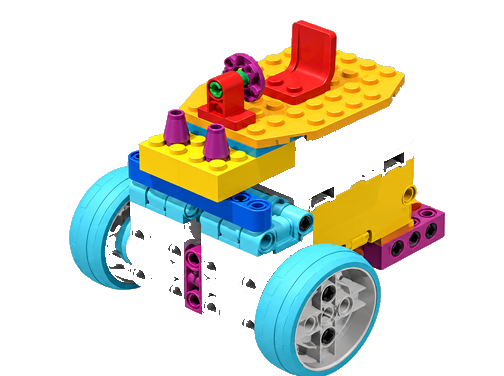

Robotics gives children a reason to think with their hands. When a build does not move as expected, the next step is not to memorize an answer; it is to notice, test and try again. That small loop builds the same confidence students need when a maths problem, science experiment or new idea feels difficult.
The strongest learning happens when a child can explain what changed between two attempts. A loose wheel, a reversed motor or a sensor in the wrong place becomes a friendly mystery. Students learn to break a big problem into smaller questions, listen to evidence and make one thoughtful adjustment at a time.
At GeniusLabs, we use project work to make that thinking visible. Learners sketch a plan, build a first version, test it in the real world and share what they discovered. The robot is the exciting starting point, while problem solving and critical thinking are the skills that stay with them long after the project is complete.
Try this at home: ask your child to build a robot that carries a soft object from one side of a room to the other. Before helping, ask them what the robot needs to notice, what might go wrong and how they will know the next version is better. The conversation is part of the build.